
The trickiest fall mornings are the ones that start chilly and end surprisingly warm. A sweater feels perfect at breakfast, then becomes too much by lunchtime. The best fall wardrobe essentials solve that problem without requiring a closet full of new clothes: comfortable foundations, removable layers, practical outerwear, and shoes that fit your actual routine.
Rather than shopping for an entirely new seasonal look, build around pieces that can move between casual weekends, office days, errands, and changing forecasts. These are the items worth checking before you buy anything else.
Build Your Fall Outfits from the Inside Out
Comfortable tees and long-sleeve tops
Start with two or three tops you already reach for: a plain tee, a fitted or relaxed long-sleeve shirt, and perhaps a striped version for variety. Cotton can feel comfortable for everyday indoor wear; if you expect sweaty walks or outdoor activity, consider a quick-drying fabric instead. Choose necklines and fits that sit comfortably under sweaters and jackets without bunching.
A button-down that works as a layer
An Oxford shirt, soft flannel, or relaxed cotton button-down earns its space by doing two jobs. Wear it buttoned with trousers for a polished outfit, or open over a tee when the afternoon warms up. Look for enough room through the shoulders to move freely, but not so much volume that it fights with your jacket.
One lightweight knit and one warmer sweater
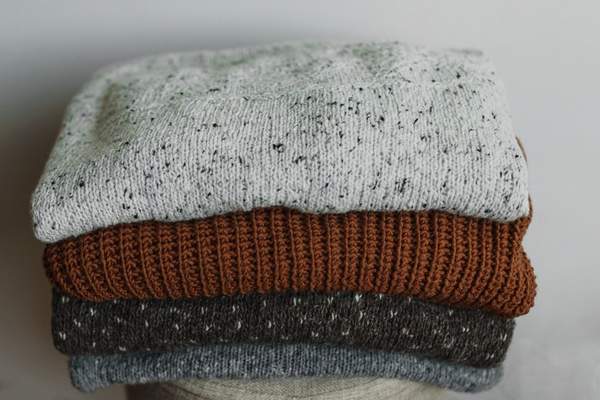
Among autumn wardrobe essentials, knitwear provides the most useful range. A fine-gauge cardigan slips over a shirt and fits inside a coat, while a medium-weight crewneck works on cooler days. Merino wool, cotton blends, and easy-care synthetic knits offer different feels and maintenance needs. Check the care label before buying; the most beautiful sweater is not a bargain if you never want to wash it.
Choose Bottoms That Mix with Everything
Reliable everyday denim
A comfortable pair of straight-leg, relaxed, or otherwise favorite-fit jeans belongs on most seasonal wardrobe checklists. Dark or medium washes pair easily with neutral knits, button-downs, and boots. More important than the cut currently in fashion is whether the waistband stays comfortable when sitting and the hems work with your usual shoes.
A non-denim alternative
Chinos, tailored trousers, corduroy pants, or a versatile midi skirt prevent every outfit from feeling identical. Choose according to your lifestyle rather than an idealized fall wardrobe. For a commute, wrinkle-resistant trousers may be more useful than heavy corduroy; for relaxed weekends, the reverse could be true. Keep the color compatible with at least three tops you own.
Make Outer Layers Do the Heavy Lifting
A light jacket for unpredictable afternoons
A denim jacket, utility jacket, casual blazer, or lightweight quilted layer can bridge the gap between shirt weather and coat weather. Try it on over your bulkiest regular sweater before purchasing. If the sleeves pull or the front barely closes, it will not perform the job you need. A jacket that can be carried easily is often more useful in early fall than a heavy coat.
Weather protection when the forecast changes
In wetter or windier areas, prioritize a rain-resistant or waterproof outer shell appropriate to your conditions. A shell blocks weather; a sweater or fleece underneath supplies additional warmth. These are different jobs, and separating them makes fall layering pieces more flexible. Check the manufacturer’s actual rain-protection description rather than assuming every trench or fashion jacket is waterproof.
Finish with Shoes and Accessories You Will Actually Use
Two dependable footwear options
Clean everyday sneakers are useful for dry, mild days, while comfortable ankle boots, loafers, or weather-suitable shoes cover dressier or damper outings. You do not need all four. Consider traction, walking distance, and how each pair looks with your jeans and trousers. If you live where rain is frequent, water resistance and a grippy sole matter more than a seasonal color trend.
Small accessories with a real purpose
A scarf, midweight socks, and a compact umbrella can extend outfits into cooler conditions without demanding more clothing. Pick a bag roomy enough to hold a removed cardigan. This detail sounds minor until your commute turns warm and you have nowhere to put the extra layer.
Try the Morning-to-Afternoon Outfit Test
Imagine a typical October day: 48°F when you leave home, 68°F in the afternoon, and a cool breeze after sunset. Start with a tee, straight-leg jeans, a cardigan, and a lightweight jacket. Remove the jacket when it warms up, then take off the cardigan if needed. At night, put the layers back on. This is an illustration, not a rule for every climate; humidity, wind, rain, activity level, and personal comfort change what feels right.
For a colder northern state, substitute a warmer midlayer and more protective coat. In the South or Southwest, you may spend much of fall in short sleeves with one layer handy. Good fall clothing staples match local weather, not a calendar date.
Use a Seasonal Wardrobe Checklist Before Shopping
Pull everything you could wear this fall onto your bed and assemble five outfits for the week ahead. Aim for a few base tops, two different bottoms, one lightweight knit, one warmer layer, an everyday jacket, weather protection if needed, and footwear that fits your plans. This is a starting point, not a quota.
Take photos of the combinations. If an item appears in several outfits, it is probably worth keeping or replacing when worn out. If a tempting new purchase works with nothing you own, leave it behind. A limited palette of neutrals with one or two favorite accent colors makes mixing easier, but there is no reason to abandon bright shades you enjoy.
For more ways to use what is already in your closet, explore capsule wardrobe planning, everyday ankle boot outfits, and sweater care tips before adding more pieces to your cart.
Frequently Asked Questions
What are the most important fall wardrobe essentials?
Start with comfortable base tops, jeans or another reliable bottom, a cardigan or sweater, a lightweight jacket, and practical shoes. Add a rain shell or warmer outer layer if your local forecast calls for one.
How many fall clothes do I need?
There is no universal number. Your laundry schedule, work dress code, climate, and activities decide the right amount. Build enough combinations for your normal week, then identify genuine gaps.
What colors are easiest to mix for fall?
Black, navy, cream, gray, brown, and olive are versatile starting points, but they are not mandatory. Choose colors already represented in your closet and introduce an accent shade you love.
Can summer clothing stay in a fall wardrobe?
Absolutely. Tees, dresses, and lightweight shirts often transition well under cardigans or jackets. Focus on comfort and weather suitability instead of sorting clothes strictly by season.
A Closet That Works Through the Season
The smartest fall refresh usually begins with what you own. Keep the pieces that layer easily, fit comfortably, and support real days on your calendar. Replace only what is missing or worn out. With versatile basics and a little planning, getting dressed stays simple even when the temperature does not.