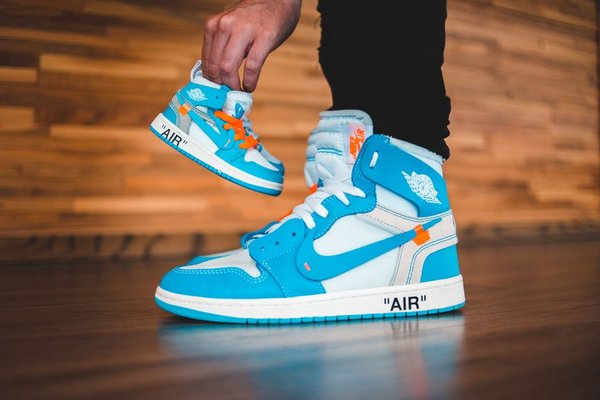

A sneaker can match your usual size and still feel wrong after an hour of walking. Perhaps your toes bump the front on stairs, or your heel slips despite tightly tied laces. A number on a box cannot explain those problems. This sneaker sizing guide goes beyond basic conversions to help you check length, width, toe room, sock thickness and shape before choosing a pair for everyday wear.
Start With Your Actual Foot Measurements
Measure both feet rather than relying on an old shoe label. Feet can change over time, and one is often longer or wider than the other. Check later in the day, when your feet may be slightly larger after standing and walking.
Stand with your heel against a wall and your weight evenly distributed. Mark the end of your longest toe on a piece of paper, then measure the distance from the wall. Repeat on the other foot and measure across the widest part of each forefoot. Record the figures in centimetres or millimetres and use the larger foot as your starting point.
If you use orthotics or removable inserts, have them available when trying shoes on. They affect interior space. A separate guide to measuring feet at home is useful if you frequently shop online.
What a Sneaker Size Chart Can—and Cannot—Tell You
A sneaker size chart translates foot measurements into a brand’s labeled sizes. Check whether it lists foot length, insole length or another measurement; they are not interchangeable. Use the manufacturer’s current guide for the model you want, rather than assuming a US, UK or EU conversion is identical between brands.
Two sneakers carrying the same size can feel completely different. One might have a rounded front and deep upper, while another tapers sharply around the toes. If your measurement falls between sizes, comparing both options is more useful than automatically choosing the larger label.
Check the Four Areas That Determine Fit
Toe Room
While standing, check the space beyond your longest toe, which is not necessarily your big toe. Roughly a thumb’s width is a helpful starting point for many athletic-style sneakers, not a rule for every casual design. Your toes should move without rubbing the front, roof or sides of the shoe.
Shoe toe room becomes especially noticeable on stairs and downhill walks, when the foot shifts forward. If your toes repeatedly strike the end, the sneaker may be too short or the wrong shape.
Forefoot Width
Sneaker width sizing matters as much as length. The broadest part of your foot should fit inside the shoe without pinching or hanging over the sole edge. If the sides squeeze, look for a wider version or roomier toe box rather than immediately adding length. A longer shoe can create heel slipping without fixing narrowness.
Width markings such as standard, wide and extra wide vary across collections. Consult the specific brand’s width guide instead of treating every letter code as universal.
Midfoot Hold
The sneaker should wrap the middle of your foot securely without painful pressure over the instep. If you must loosen every lace to feel comfortable, the shoe may be too shallow. Heavy bunching beneath the laces can suggest excessive space.
Heel Security
Walk several steps and notice whether your heel repeatedly rises and rubs. Adjust the laces first, then reassess. If the forefoot fits but the heel keeps slipping, a differently shaped heel cup may be better than a smaller size.
Socks Can Change Which Size Feels Right
Try sneakers with the socks you normally wear. Thin dress-style socks and cushioned sports socks take up different amounts of space. That difference can be significant in a sleek leather sneaker or a low-volume running-inspired design.
Imagine trying on sneakers barefoot at a shop, then wearing them with thick crew socks for a full day of sightseeing. The forefoot suddenly feels tight, although the original fitting seemed fine. Retesting with your usual socks may show that you need more interior volume, not necessarily a larger numerical size. If you change sock thickness seasonally, test both types.
Understand Why Brand and Model Fit Vary
Sneakers are built around differently shaped forms, often called lasts. One model may combine a narrow heel with a rounded toe box; another may be slim from end to end. Upper materials also change the sensation of fit. Flexible knit can yield under pressure, whereas stiff leather and reinforced panels may feel less forgiving.
Do not expect uncomfortable shoes to stretch enough to correct the wrong length or shape. Materials can soften with wear, but a painful fit is not a sensible starting point. A guide to everyday sneaker styles can help you compare silhouettes after you know what shape suits your foot.
Use a Five-Minute Movement Test
Lace up both shoes and stand normally. Walk briskly, turn, stop and use a few steps if possible. Notice what happens when your weight moves forward. Your longest toe should not hit the front, the sides should not pinch, and the heel should remain reasonably stable.
Pay attention to small warnings: pressure on the little toe, rubbing around the collar, numbness, or the urge to curl your toes to keep a loose shoe on. Those feelings often tell you more than the size label. Test the larger foot carefully and avoid judging fit while seated alone.
For online purchases, repeat the test on a clean indoor floor while the return policy still applies. Keep the box and avoid outdoor wear until you are confident. A well-fitting sneaker should be comfortable from the beginning; a painful pressure point is not a normal break-in requirement.
Choose Carefully When Ordering Online
Read model-specific reviews for descriptions of toe-box shape, heel hold and width. “True to size” is less informative than feedback from someone who describes their foot shape and sock choice. Compare your measurements with the manufacturer’s chart and confirm exchange rules before paying.
Frequently Asked Questions
Should new sneakers feel tight?
No. A secure fit is different from squeezing. Your sneakers should not numb your toes, pinch the forefoot or create painful pressure. Try a different size, width or model if they do.
How much space should be in front of my toes?
About a thumb’s width is a useful initial check for many athletic sneakers. Confirm that your longest toe stays clear of the front while walking and your toes can spread comfortably.
Should wide feet always go up half a size?
Not automatically. A longer shoe may slip at the heel while remaining too narrow. Look for a suitable width or roomier shape first.
Do I need to measure with socks on?
Measure your foot consistently, then try on sneakers with the socks you intend to wear. Sock thickness affects the real fit, especially in snug designs.
The Right Fit Is More Than a Number
The best sneaker size accommodates your larger foot, allows comfortable toe movement and holds the midfoot and heel without rubbing. Let the chart narrow your options, then use socks, shoe shape and a short walk to make the final choice. A few extra minutes of fitting can prevent months of avoiding a pair that never felt right.